
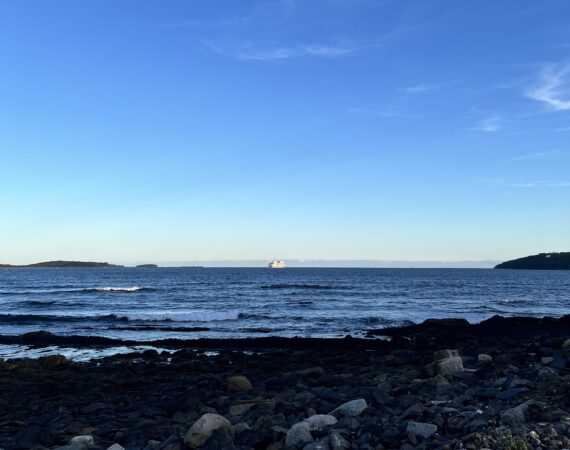
The parties to the 1972 Convention on the Prevention of Marine Pollution by Dumping of Wastes and Other Matter (London Convention) and the 1996 Protocol to that Convention (London Protocol) are meeting this week. High on the agenda, as has been the case for the last decade and more, is […]
Negative Emissions
50 posts
The new Limiting Overshoot report from the United Nations Environment Program (UNEP) paints a grim picture. Global warming is likely to exceed 1.5oC above pre-industrial levels within the next decade and could reach as high as 3.6oC by 2100. Still, UNEP is adamant that we must not give up […]
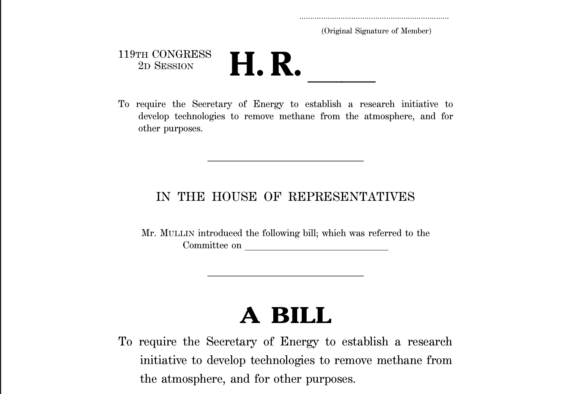
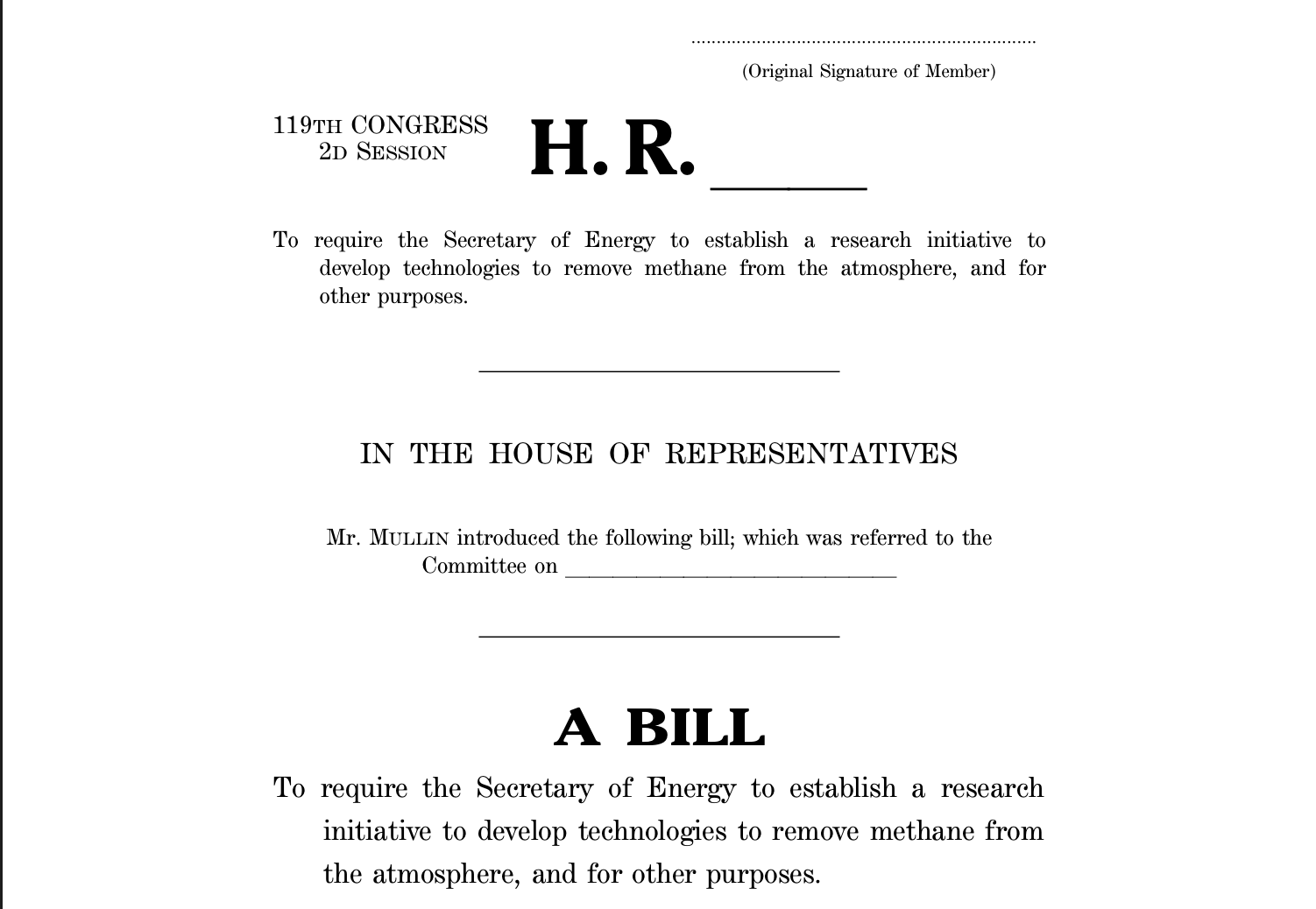
Last month, three Members of Congress introduced a bill to provide $125 million ($25 per year for five years) in funding for research into methane removal, a relatively novel set of proposed approaches aimed at mitigating climate change. This marks the first time such a bill has been introduced into […]
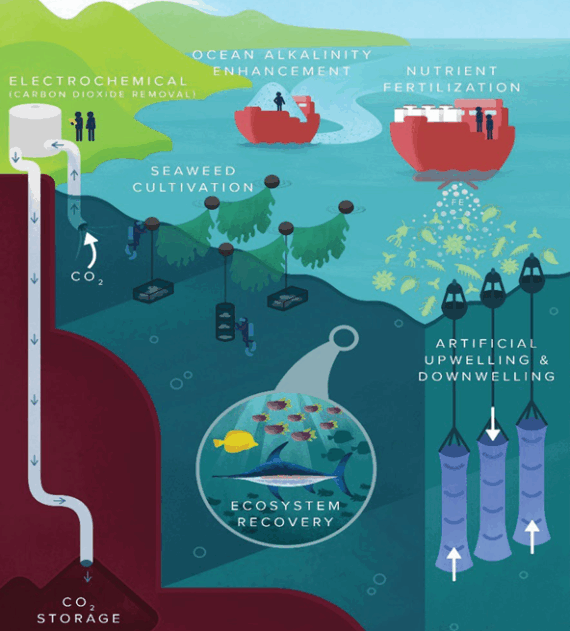
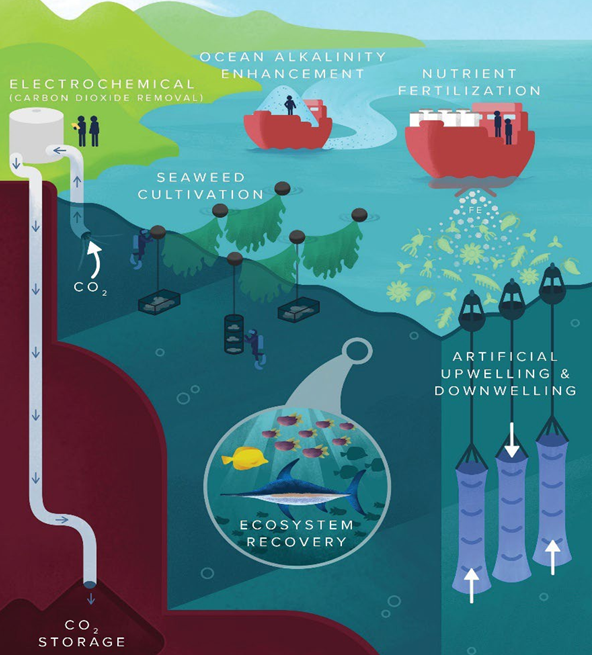
Interest in marine carbon dioxide removal (mCDR) has risen in the last decade as the deadlines to meet global climate temperature goals draw closer. The Intergovernmental Panel on Climate Change (IPCC) tells us that the 1.5°C and 2°C temperature targets outlined in the Paris Agreement require net zero emissions, which […]
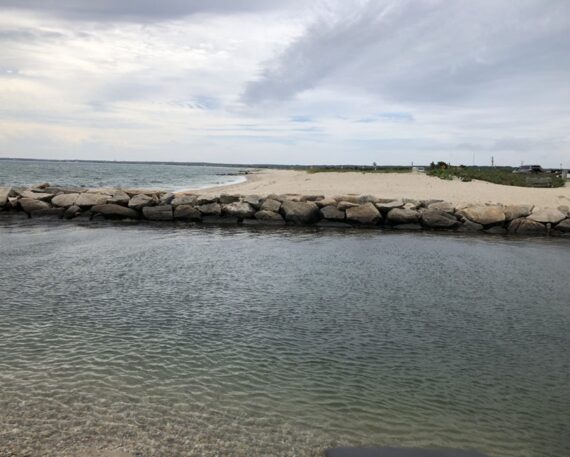
Carbon dioxide removal (“CDR”) has become increasingly vital to prevent catastrophic climate change. Even with aggressive cuts to greenhouse gas emissions, atmospheric carbon dioxide concentrations will remain elevated for centuries, continuing to warm the planet and intensify climate impacts. By actively removing and storing carbon dioxide from the atmosphere, CDR […]
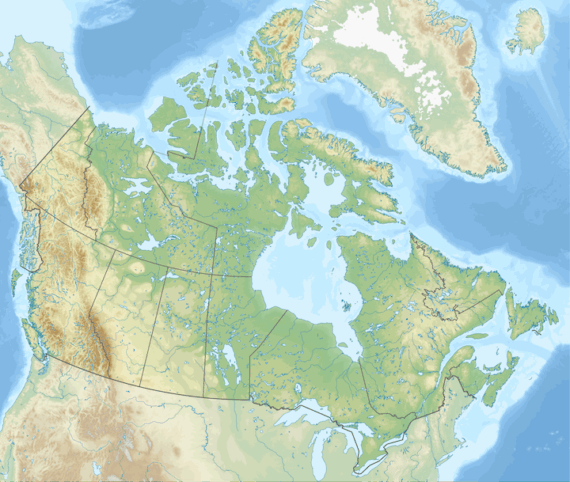
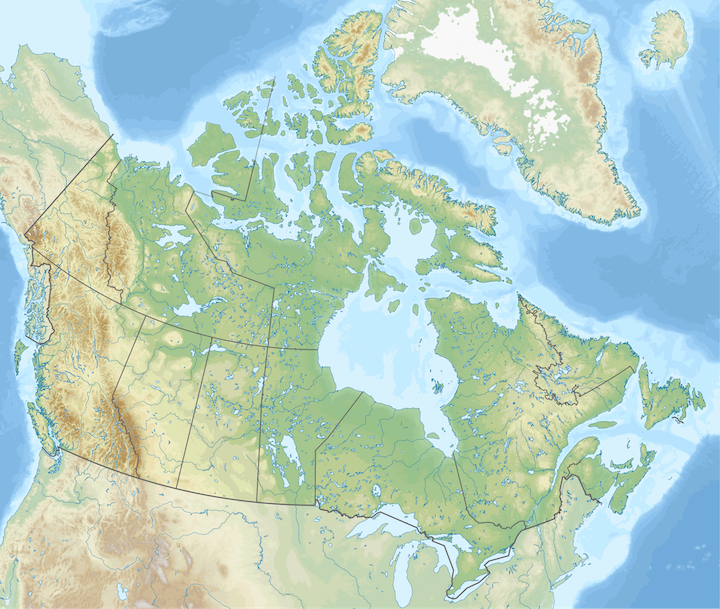
The Trump Administration’s increasing commitment to scientific nonsense regarding climate change creates an opportunity for other countries to lead. The Canadian Senate is recommending that Canada do just that with respect to marine carbon dioxide removal (mCDR). Canada is in a unique position to lead on mCDR development. Dalhousie University […]
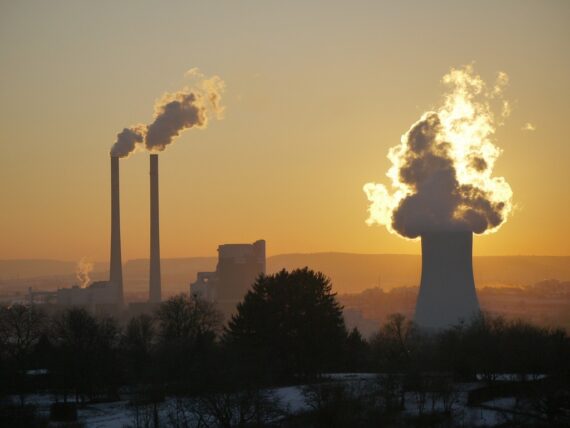
Until recently, Louisiana was the darling of the carbon capture, removal, and storage industry. Due to its history of oil and gas production, the state has a fairly extensive carbon dioxide pipeline network, and ideal geology for storing carbon dioxide. For those reasons, federal incentives to advance point source capture […]
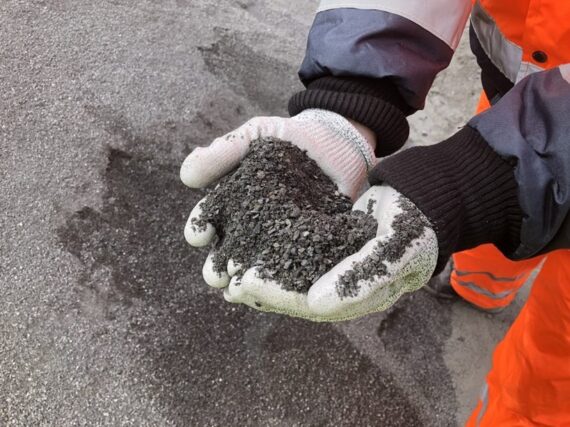
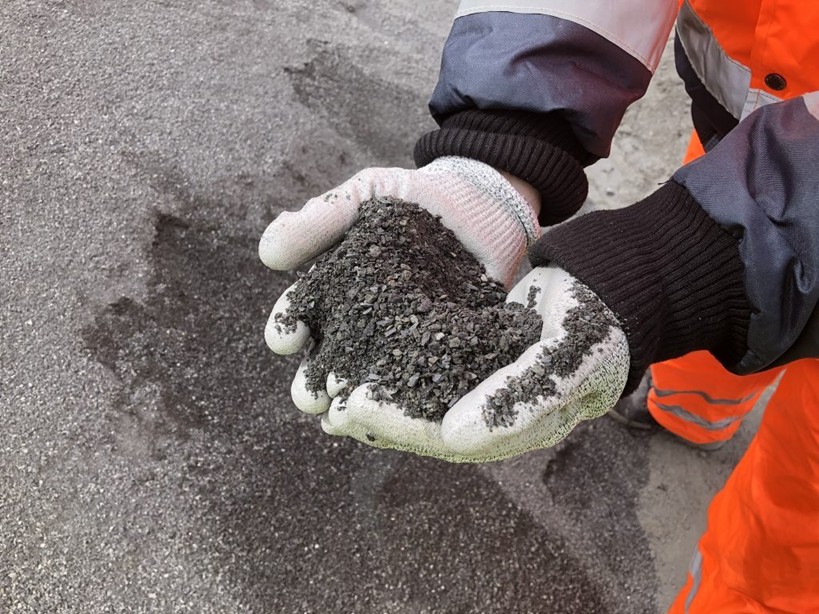
Enhanced rock weathering (ERW) is a promising solution for durable carbon dioxide removal (CDR) which involves spreading finely ground alkaline rocks (such as basalt and other silicate rocks) over land. Scientists posit that the alkaline materials will react with carbon dioxide in the air, sequestering it in mineral or aqueous […]