
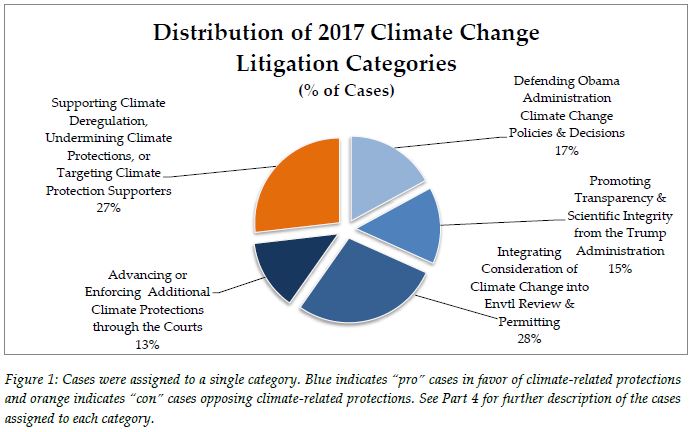
By Dena Adler Donald Trump claims to have delivered on deregulation in his first year as President. While independent reporting questions the veracity of his assertions, climate change is one arena where the Trump Administration’s regulatory rollbacks have been both visible and real. The Administration has delayed and initiated the […]
By Richmund Sta. Lucia Extreme weather patterns can be easily seen in floods. Severe storms, especially during the rainy season, cause record rainfall to inundate both cities and countryside alike. Storm surges, another weather abnormality, create havoc in coastline areas by pushing meters-high water from the seas towards land. Indeed, […]
Each month, Arnold & Porter and the Sabin Center for Climate Change Law collect and summarize developments in climate-related litigation, which we also add to our U.S. and non-U.S. climate litigation charts. If you know of any cases we have missed, please email us at columbiaclimate at gmail dot com. HERE ARE THE ADDITIONS […]
By Justin Gundlach and Romany Webb The speedy and opaque process that ended in December 2017 with passage of the Federal Tax Cuts and Jobs Act has meant that different sectors and companies are just now figuring out what its provisions mean for them. For regulated utilities, which collect money […]
By Susan Biniaz In the midst of the negotiations leading to the Kyoto Protocol in 1997, the U.S. Senate adopted the “Byrd-Hagel Resolution,” co-sponsored by Senators Robert Byrd of West Virginia and Chuck Hagel of Nebraska. Passed by a vote of 95-0, it reflected the Senate’s view that the international climate […]
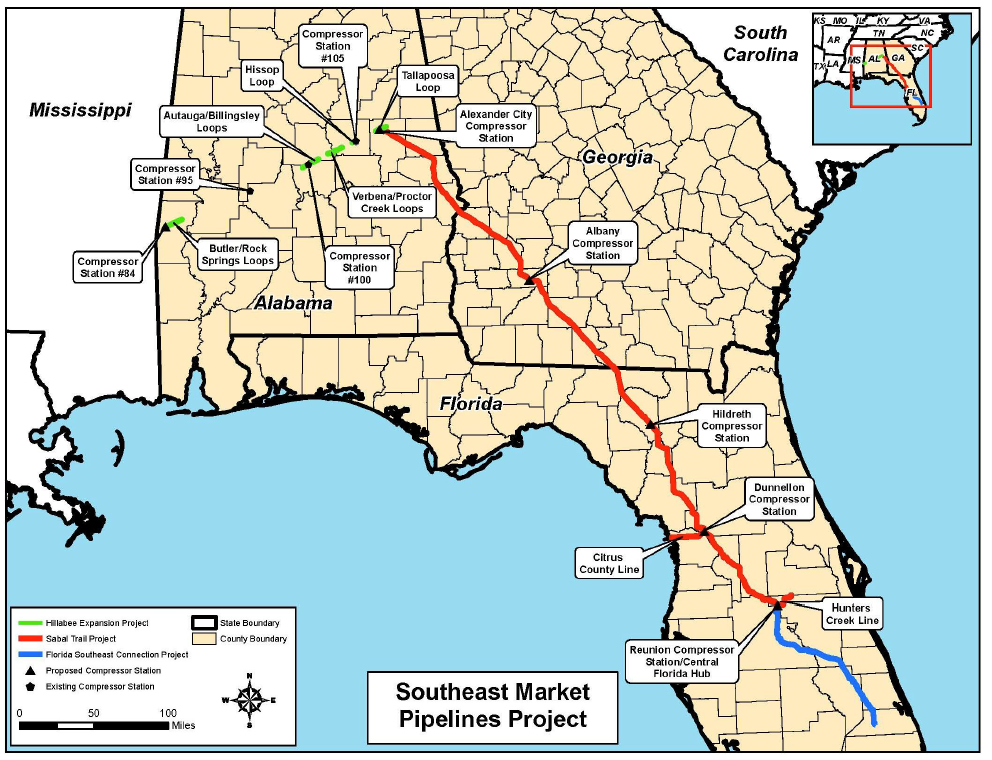
By Jessica Wentz and Michael Burger Last year, the D.C. Circuit Court of Appeals issued a key decision on the scope of greenhouse gas emission impacts that must be considered by the Federal Energy Regulatory Commission (FERC) in environmental reviews of pipeline projects. In Sierra Club v. FERC, No. 16-1329 […]
Editor’s Note The Expert Group on Climate Obligations of Enterprises is comprised of experts, listed here, in international, environmental, tort, human rights and company law. It has worked for several years to formulate the Principles on Climate Obligations of Enterprises, based on its interpretation of the law as it stands […]
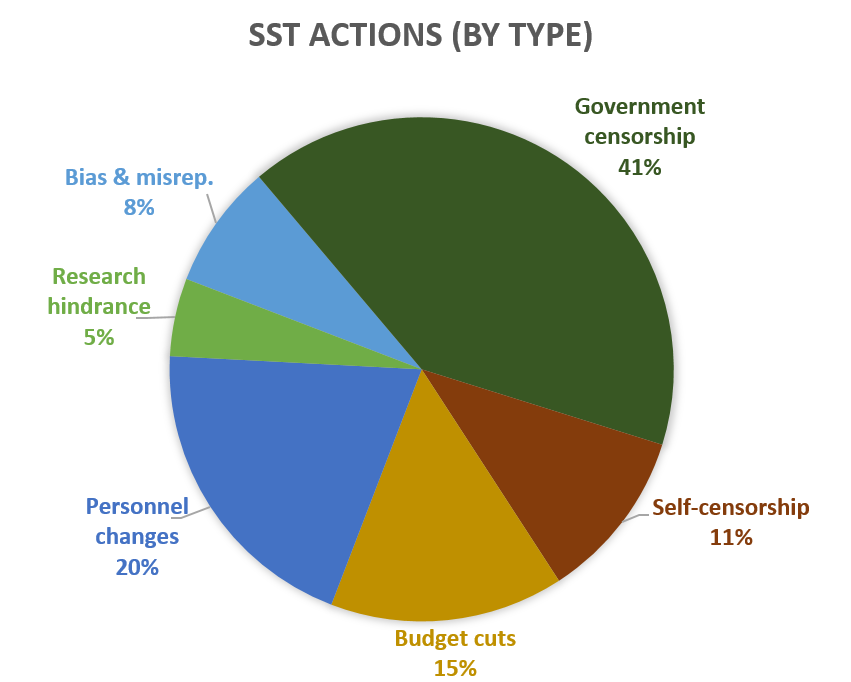
By Romany Webb Just a year into his term, President Trump has already gained a reputation for being staunchly anti-science, with his administration recently described as showing “greater distain for science” than any other in modern history. Every day, it seems, there is a new report of the administration reducing […]