

Cities have a unique and significant role to play in responding to climate change. Many are already doing so by adopting legal and policy tools to encourage the use of smart surfaces—a group of technologies and design strategies that mitigate the effects of climate change in urban environments, especially extreme […]
As climate advocates prepare for a second Trump administration, the potential threat of the Congressional Review Act (CRA) looms large. The CRA, which allows Congress to void certain rules issued recently by executive agencies, saw unprecedented activity during the first Trump administration and is expected to be similarly invoked in […]

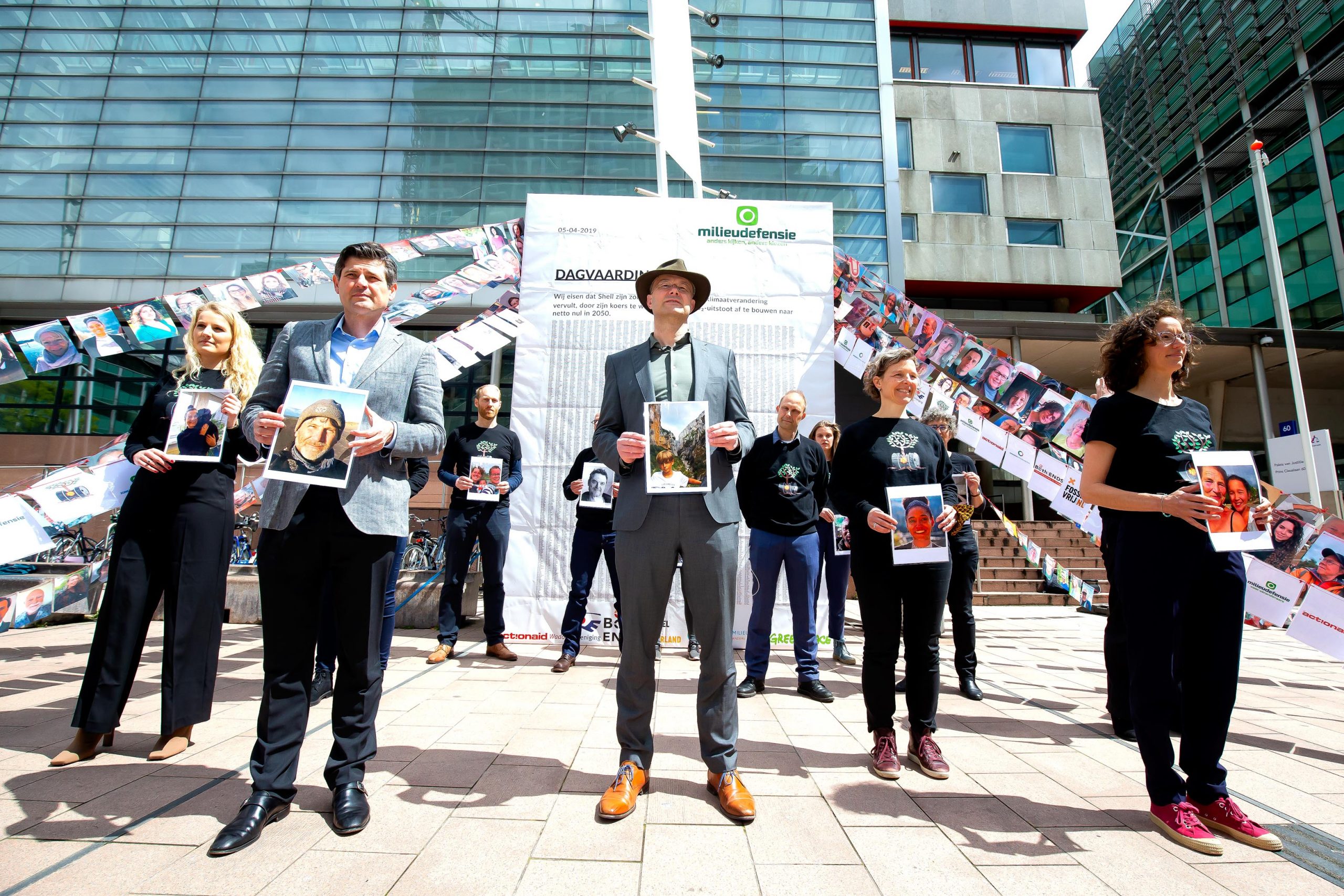
Introduction On November 12, 2024, the Dutch Court of Appeal in The Hague issued its eagerly awaited appeals judgment in Milieudefensie (Friends of the Earth Netherlands) and others v. Royal Dutch Shell. The applicants sought an injunction declaring that Shell is legally bound to reduce its carbon dioxide (CO2) emissions […]

The Sixth Assessment Report of the Intergovernmental Panel on Climate Change underscores the need for carbon dioxide removal (“CDR”) to complement emissions reductions in meeting global climate targets. Ocean-based CDR strategies, which aim to increase the ocean’s natural carbon sink capacity, are gaining attention. One such strategy, ocean alkalinity […]

Back in 2003, Michael Herz and I wrote an article calling for the creation of an online, word searchable database of environmental impact statements that had been prepared under the National Environmental Policy Act (NEPA) and its state equivalents. These EISs are written at great expense and contain massive amounts of observational […]

On Friday, December 6, the Sabin Center filed an amicus brief on behalf of the National League of Cities and the U.S. Conference of Mayors in support of the U.S. Environmental Protection Agency (EPA) in Kentucky v. EPA as part of our ongoing amicus efforts to support strong federal climate […]

Columbia Law School June 12-13, 2025 (via Zoom) This 13th Annual Sabin Colloquium will allow junior environmental law scholars to present early-stage work and receive constructive feedback from a panel of senior scholars and from each other. Eligible applicants are pre-tenure professors, fellows, visiting assistant professors, and other junior scholars in similar academic […]




What will happen to the SEC’s March 2024 climate disclosure rule under the new federal administration? A paper published by Columbia University’s Sabin Center for Climate Change Law and the Columbia Center on Sustainable Investment (CCSI) seeks to contribute to the upcoming debates on this question. In their joint report, […]