
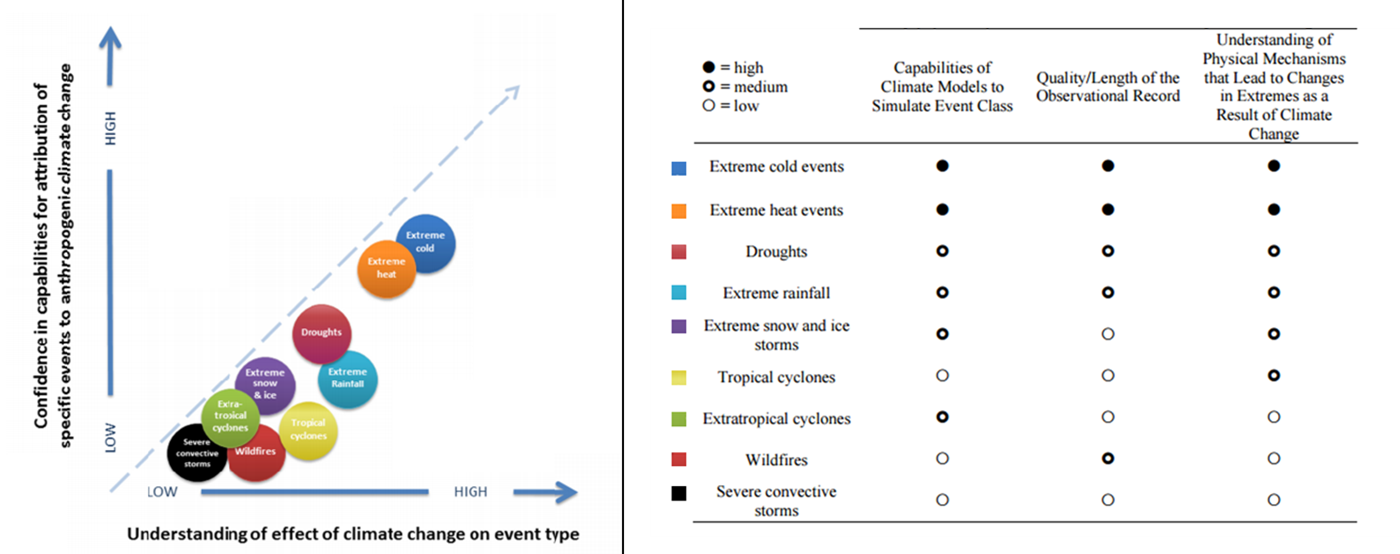
Justin Gundlach Climate Law Fellow Over the past decade, as the scientific consensus about the fact and nature of anthropogenic climate change has solidified, extreme weather events have destroyed enormous sums of assets, infrastructure investments, and large numbers of human lives. Set against the backdrop of climate change, these events […]
Environment & Land Use
219 posts
The Sabin Center has just published a new report on the consideration of climate change in federal Environmental Impact Statements (EISs) prepared under the National Environmental Policy Act (NEPA). The report describes the results from a survey of 238 federal EISs published from July 2012 through December 2014. The survey […]
Patrick Parenteau Professor of Law, Vermont Law School Curbing methane is a key part of President Obama’s Climate Action Plan, which aims to cut emissions by 40 to 45% from 2012 levels by 2025. Methane is a very powerful greenhouse gas. Methane traps 86 times more heat than carbon dioxide […]
Michael B. Gerrard Faculty Director The Supreme Court’s unprecedented, unexpected and unexplained action yesterday staying implementation of the Clean Power Plan is one of the most environmentally harmful judicial actions of all time. However, the damage it does to the United States’ ability to meet its Paris pledge is less […]
Each month, Arnold & Porter and the Sabin Center for Climate Change Law collect and summarize developments in climate-related litigation, which we also add to our U.S. and non-U.S. climate litigation charts. If you know of any cases we have missed, please email us at columbiaclimate at gmail dot com. Here are the additions […]
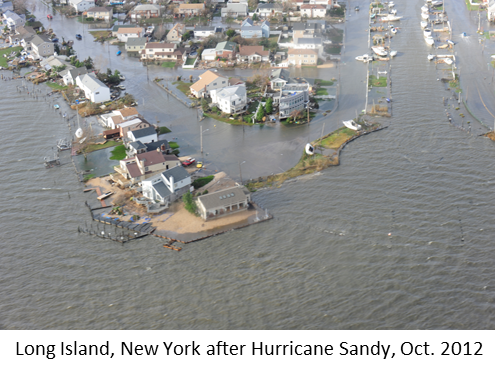
Justin Gundlach, Climate Law Fellow, and Channing Jones, Columbia Law School class of 2017 Justin Gundlach and Channing Jones’s article, HUD Doesn’t Need New Legislative Authority to Better Integrate Climate Change Resilience into Its Disaster Recovery Program, forthcoming in the April issue of Environmental Law Reporter, states its basic argument […]
Channing Jones Columbia Law School Class of ’17 Climate change poses substantial risks to water quality, with many impacts varying geographically. For example, in regions experiencing increased frequency and severity of extreme weather events, climate-related water quality threats may include increased runoff pollution and discharges from combined sewer overflows. In […]
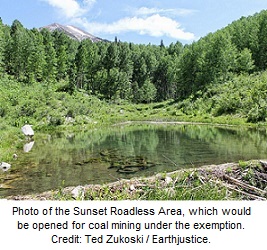
Last week marked an important shift in executive policy on fossil fuel leasing: the Interior Department announced a moratorium on new leases for coal mined from federal lands, pending a comprehensive reexamination of the decades-old coal leasing program. Interior will prepare a Programmatic Environmental Impact Statement (PEIS) to examine how […]