
FEATURED CASE
Second Circuit Rejected New York City’s State Law Climate Claims Against Oil Companies
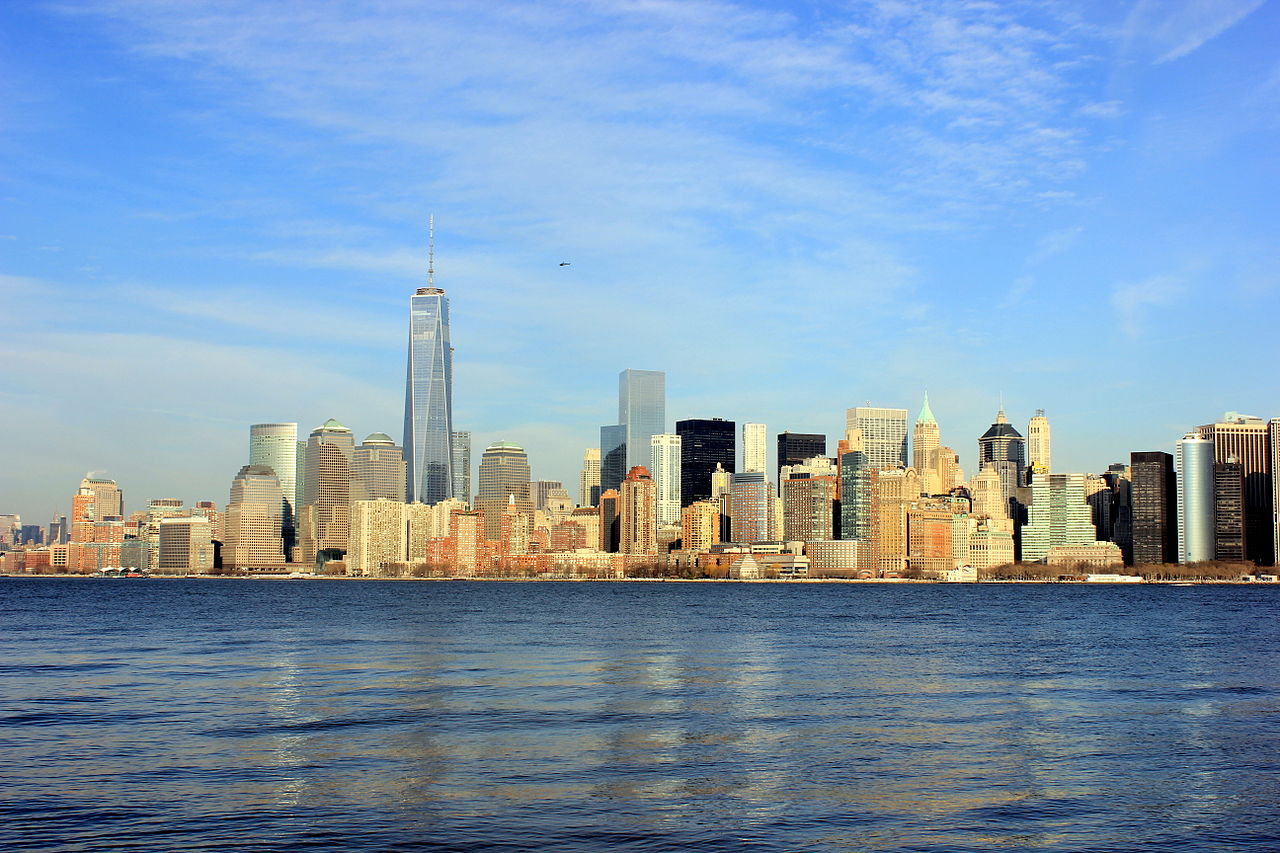
The Second Circuit Court of Appeals affirmed the dismissal of New York City’s lawsuit seeking climate change damages from oil companies. The Second Circuit’s decision largely followed the reasoning of the district court’s 2018 decision. First, the Second Circuit held that federal common law displaced the City’s state-law public nuisance, private nuisance, and trespass claims because the lawsuit would regulate cross-border greenhouse gas emissions, albeit “in an indirect and roundabout manner,” and because state law claims “would further risk upsetting the careful balance that has been struck between the prevention of global warming, a project that necessarily requires national standards and global participation, on the one hand, and energy production, economic growth, foreign policy, and national security, on the other.” The Second Circuit then held that the Clean Air Act, in turn, displaced federal common law claims related to domestic emissions. The Second Circuit cited American Electric Power Co. v. Connecticut, 564 U.S. 410 (2011), as establishing “beyond cavil” that the Clean Air Act displaced federal common law nuisance suits to abate domestic transboundary greenhouse gas emissions, and found that Native Village of Kivalina v. ExxonMobil Corp., 696 F.3d 849 (9th Cir. 2012), provided “sound reasoning” for determining that the Clean Air Act also displaced federal common law damages claims. The Second Circuit also rejected New York City’s contention that the Clean Air Act’s displacement of federal common law claims resuscitated its state law common law claims. Finally, the Second Circuit held that although the Clean Air Act did not displace New York’s federal common law claims addressing emissions outside the United States, foreign policy concerns foreclosed such claims. The Second Circuit said holding the oil companies liable for “purely foreign activity” would “sow confusion and needlessly complicate the nation’s foreign policy, while clearly infringing on the prerogatives of the political branches.” City of New York v. BP p.l.c., No. 18-2188 (2d Cir. Apr. 1, 2021).
NEPA
66 posts
By Margaret Barry and Korey Silverman-Roati Each month, Arnold & Porter and the Sabin Center for Climate Change Law collect and summarize developments in climate-related litigation, which we also add to our U.S. and non-U.S. climate litigation charts. If you know of any cases we have missed, please email us at columbiaclimate@gmail.com. […]

By Margaret Barry and Korey Silverman-Roati Each month, Arnold & Porter and the Sabin Center for Climate Change Law collect and summarize developments in climate-related litigation, which we also add to our U.S. and non-U.S. climate litigation charts. If you know of any cases we have missed, please email us at columbiaclimate@gmail.com. […]
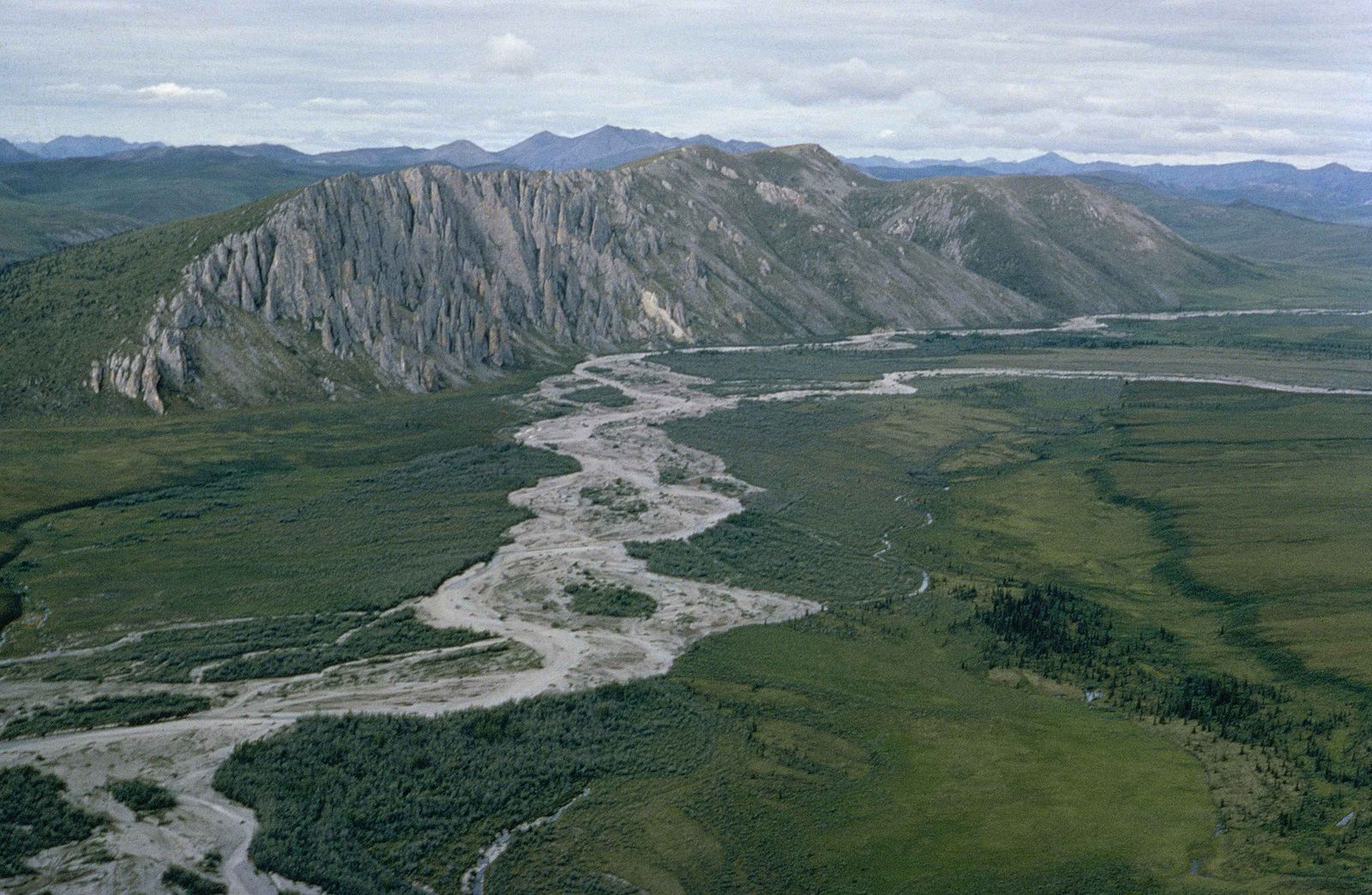
By Romany Webb Last Thursday, December 3, the Department of the Interior’s Bureau of Land Management (BLM) announced that it will conduct a sale of oil and gas leases in the Arctic National Wildlife Refuge (ANWR) on January 6. President-Elect Biden, who has long opposed oil and gas development in […]
By Margaret Barry and Hillary Aidun Each month, Arnold & Porter and the Sabin Center for Climate Change Law collect and summarize developments in climate-related litigation, which we also add to our U.S. and non-U.S. climate litigation charts. If you know of any cases we have missed, please email us at columbiaclimate@gmail.com. HERE ARE […]
By Romany Webb and Hillary Aidun On Monday, June 1, the Sabin Center submitted comments opposing a Department of Energy (DOE) proposal to categorically exclude natural gas export approvals from environmental review under the National Environmental Policy Act (NEPA). NEPA’s implementing regulations allow federal agencies to categorically exclude actions if, […]
By Margaret Barry and Hillary Aidun Each month, Arnold & Porter and the Sabin Center for Climate Change Law collect and summarize developments in climate-related litigation, which we also add to our U.S. and non-U.S. climate litigation charts. If you know of any cases we have missed, please email us at columbiaclimate@gmail.com. HERE ARE […]
By Jessica Wentz and Michael Burger On January 9 the Council on Environmental Quality (CEQ) published a proposal to dramatically overhaul the federal regulations governing environmental reviews under the National Environmental Policy Act (NEPA). The proposal represents a significant departure from CEQ’s prior interpretation of NEPA as well as decades […]