
By Maria Antonia Tigre On September 20, 2021, the German environmental organization Deutsche Umwelthilfe (DUH) filed two actions against the automakers BMW and Mercedes-Benz for refusing to tighten their carbon emissions target and stop producing fossil fuel fuel-emitting cars by 2030 (DUH v. BMW and DUH v. Mercedes-Benz). The […]
By Maria Antonia Tigre The last few days saw two major developments in international rights-based climate litigation, with the adoption of a new resolution by the United Nations Human Rights Council (HRC) and a long-awaited decision on a climate case by the Committee on the Rights of the Child (CRC). […]
By Jessica Wentz, The IPBES Global Assessment on Biodiversity and Ecosystem Services (2019) estimated that approximately one million species are currently at risk of extinction, with climate change being a major driver of accelerating extinction risk. Global average temperatures have risen by more than 1°C above pre-industrial levels and we […]
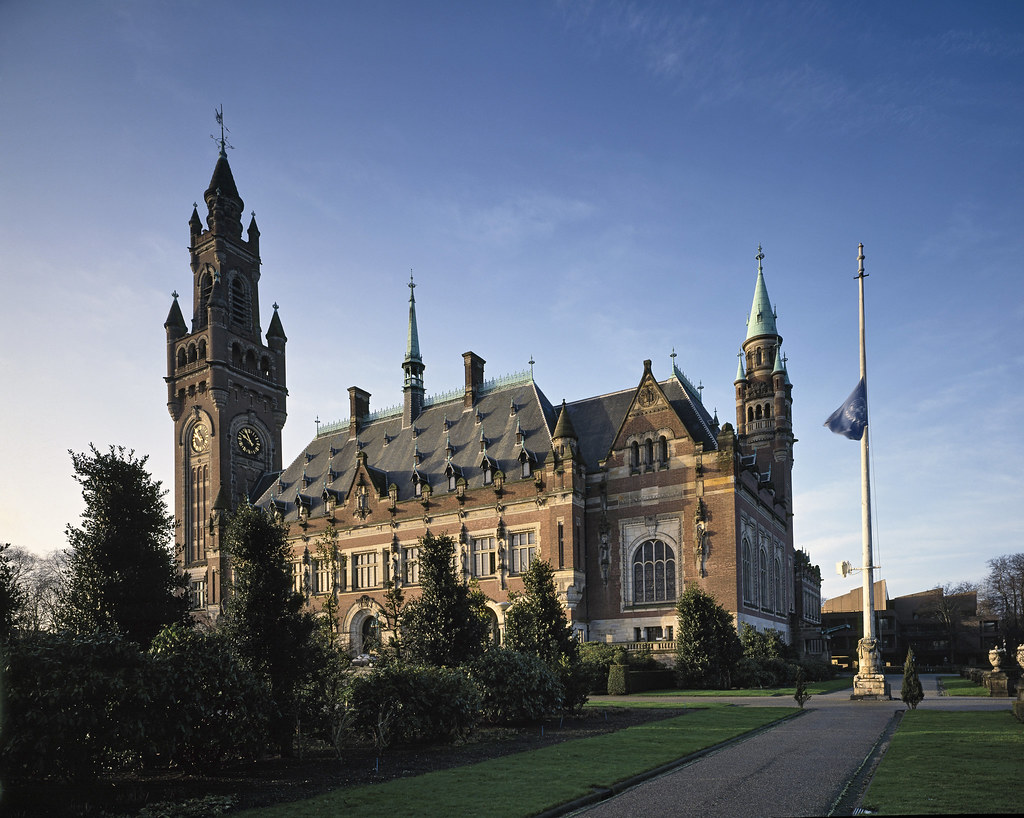
By Michael B. Gerrard Note: On September 26, 2019, the Vanuatu Permanent Mission to the United Nations hosted a workshop on seeking an advisory opinion on climate change from the International Court of Justice. Professor Michael Gerrard gave a presentation about the legal and procedural issues that would be involved. […]

By Jacob Elkin This past year has seen significant developments in how we understand and address the risks facing workers in an era of extreme heat. Multiple reports, including the Environmental Protection Agency’s (EPA) Climate Change and Social Vulnerability in the United States, have highlighted the risk that extreme heat […]

This month, Jacob Elkin joins the Sabin Center as the 2021-2022 Climate Law Fellow. His work at the Sabin Center will include the Renewable Energy Legal Defense Initiative, the Climate Attribution Database, the Climate Reregulation Tracker, the New York State and City Climate Law Trackers, as well as submitting comment […]
The summer of 2021 underscored that we are all affected by climate change impacts, whether in the form of heatwaves, fires, or extreme flooding. But some Americans are more affected than others. Urban centers are hotter than rural areas due to urban heat island effect, a phenomenon caused by pavement, […]
By Margaret Barry and Korey Silverman-Roati Each month, Arnold & Porter and the Sabin Center for Climate Change Law collect and summarize developments in climate-related litigation, which we also add to our U.S. and non-U.S. climate litigation charts. If you know of any cases we have missed, please email us […]