
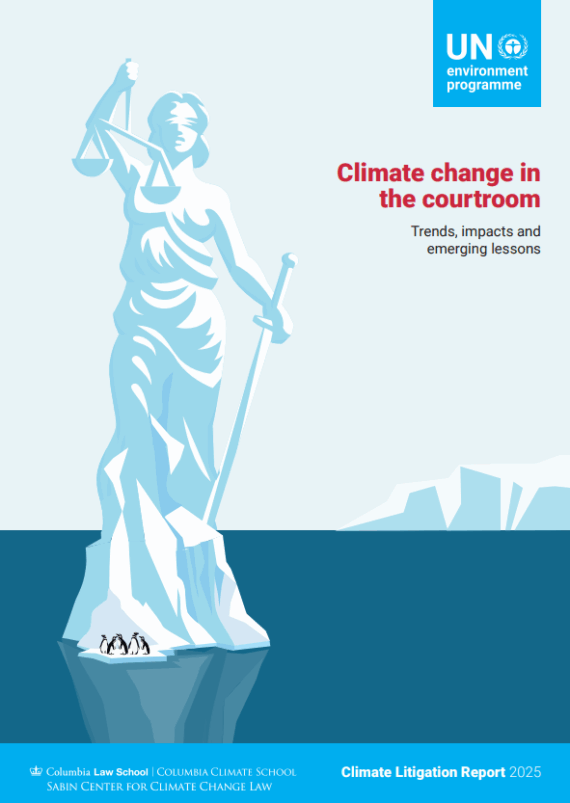
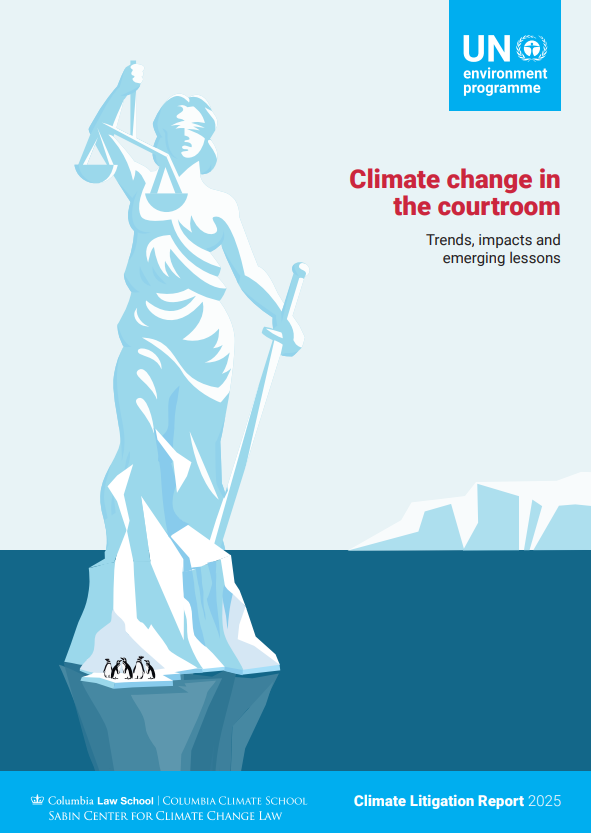
Today, the United Nations Environment Programme (UNEP) and the Sabin Center for Climate Change Law at Columbia Law School have released the Global Climate Litigation Report 2025: Status Review. This fourth edition of our joint survey builds on earlier reports published in 2017, 2020, and 2023, continuing our collaborative […]
Climate Litigation
325 posts
As climate change effects are revealing themselves at a rampant pace, there is no denying that mitigation commitments and adaptation policies are insufficient. Consequently, loss and damage is gaining traction in the climate governance agenda, but this complex notion is still in the process of being outlined. One particularly challenging […]
According to the Intergovernmental Panel on Climate Change (IPCC), Africa has the lowest per capita greenhouse gas (GHG) emissions of any region in the world but is already facing widespread and devastating climate impacts. Despite contributing so little and suffering so much, the continent receives only a very small proportion […]

Climate change is both a global crisis that binds humanity to a shared fate – a “common concern for humankind” – as well as the revealer of historical inequalities on the international stage, rooted in colonial legacies. Every country is vulnerable to the destabilization of the climate system and must […]

When lawsuits first began to raise climate change issues in the late 1980s, the cases were rare and experimental, with litigants testing out ways to draw on the growing body of climate science to argue for legal obligations to address “the serious and imminent threat to our environment posed by […]
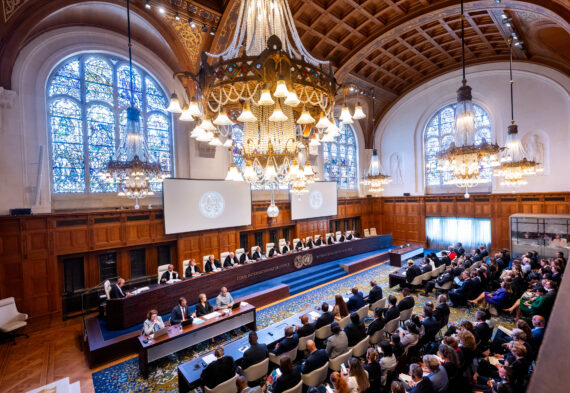
As climate-related disasters intensify across the globe, the question of how to obtain redress for environmental damage has become increasingly urgent. Yet, public international law has so far struggled to provide effective remedies. The traditional framework of holding states responsible for environmental damage seems to fall short, especially in the […]
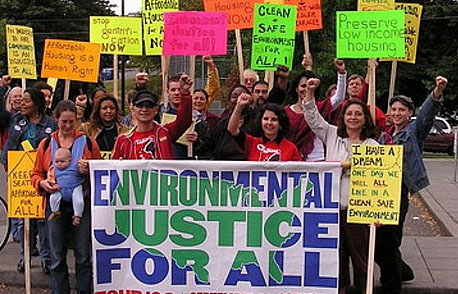
As climate litigation continues to rise, a pivotal and unresolved legal question emerges in the law of State responsibility: how to allocate responsibility for injuries that result from the cumulative conduct of multiple actors. Climate-related injury derives from the aggregate and diffuse effect of anthropogenic activities, as well as natural […]
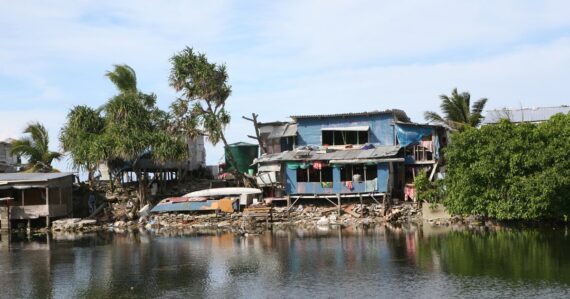

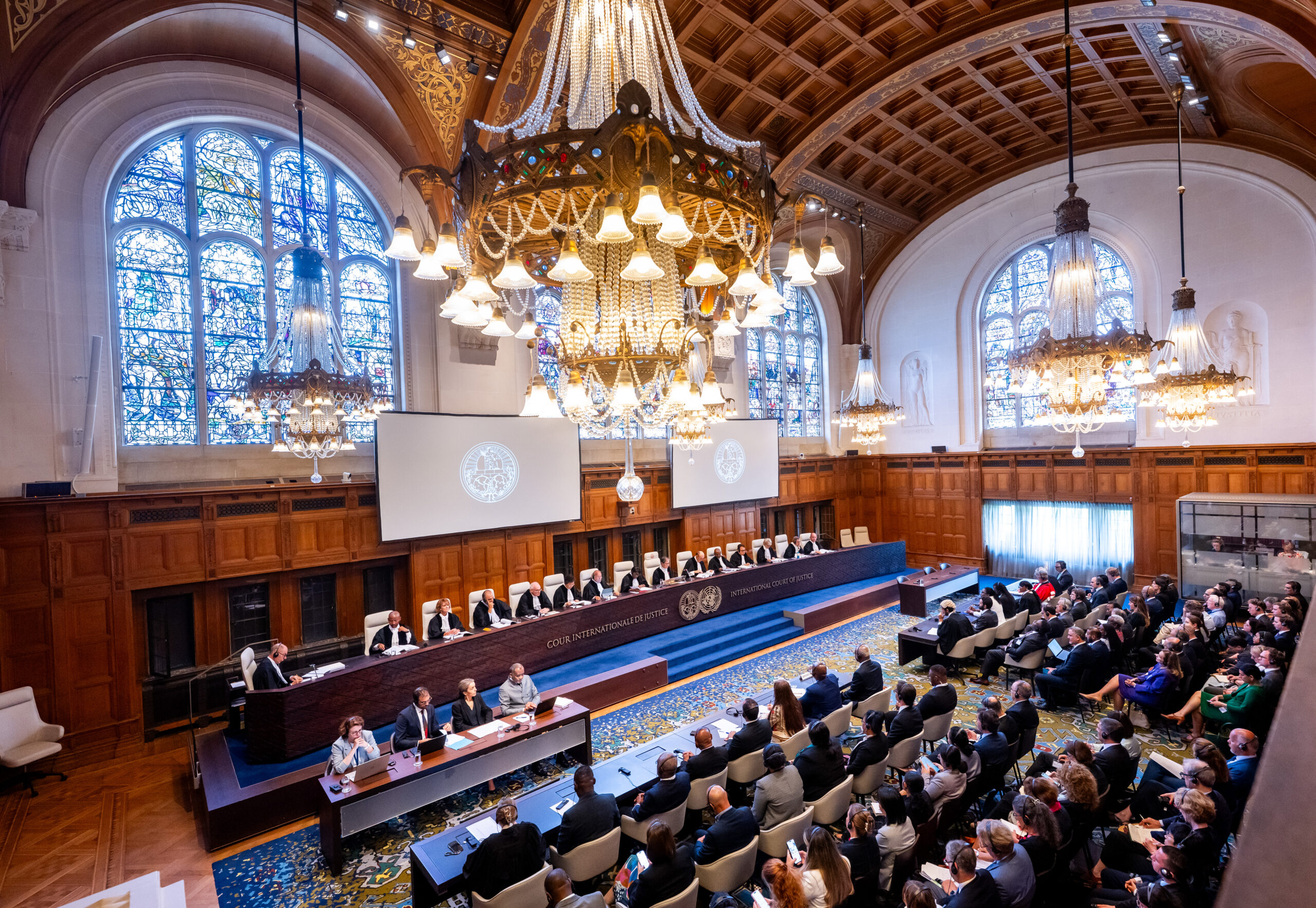

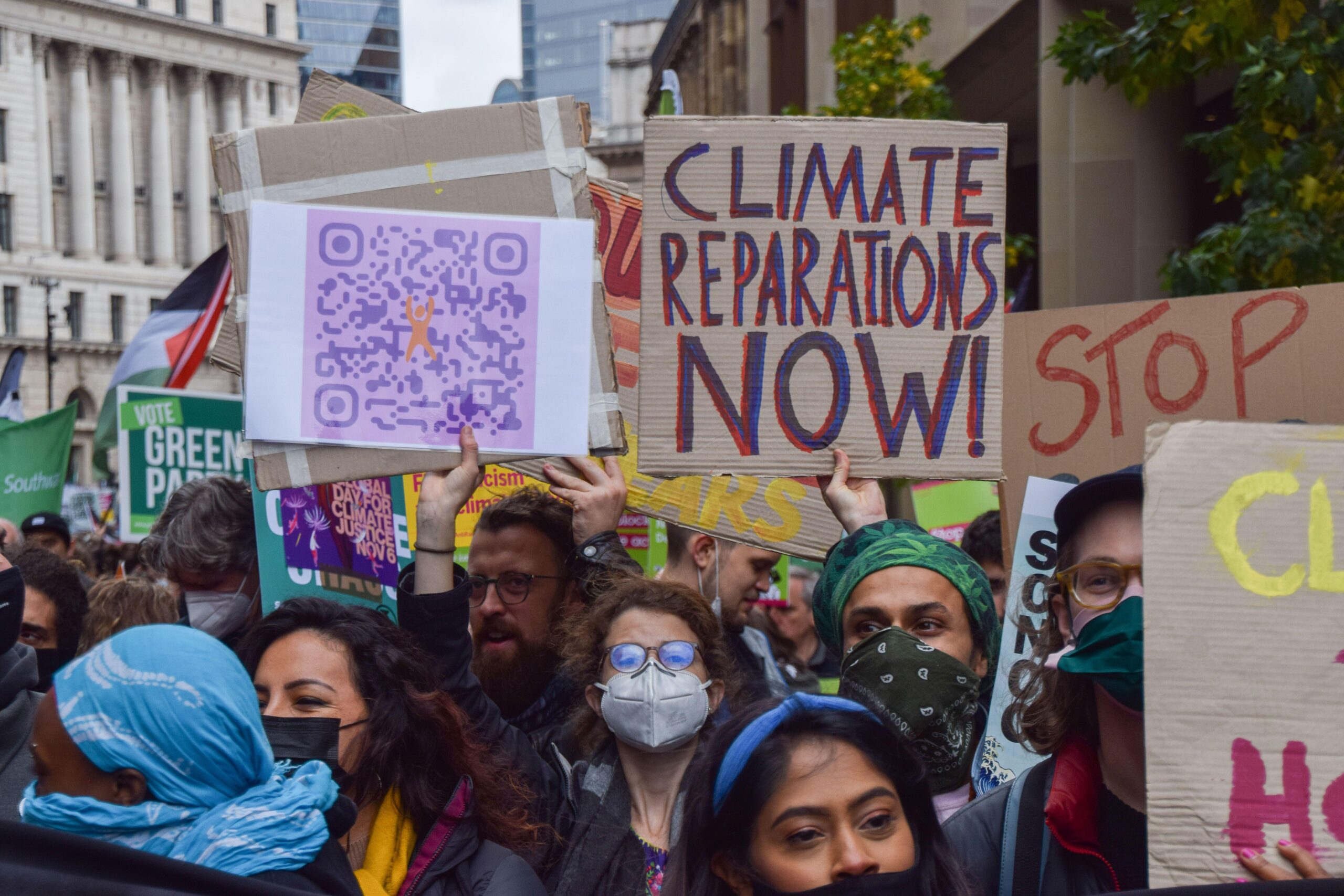
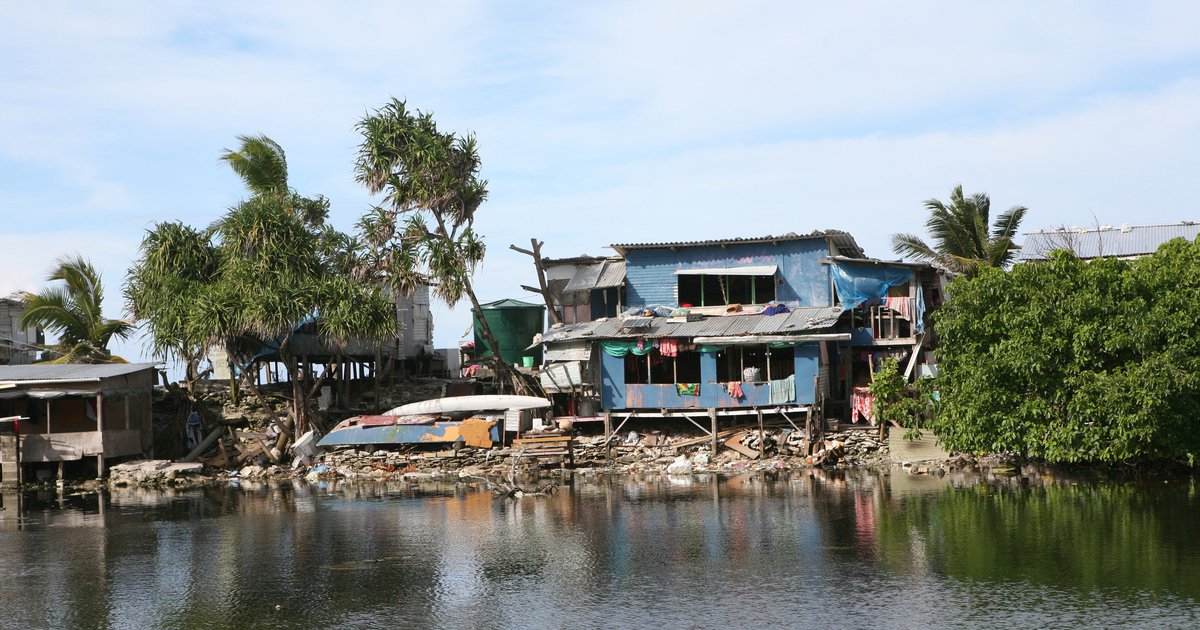
While the impacts of climate change become increasingly challenging, states’ climate action is lagging behind. Activities and movements aiming to prompt more progressive climate actions are increasingly emerging outside of, and bypassing, climate negotiations under the United Nations Framework Convention on Climate Change (UNFCCC) and the Paris Agreement. They include […]