

This is the second of two posts examining New Zealand’s Climate Change Response (Tort Liability) Amendment Act 2026. Part I examined the legislation’s intervention in Smith v Fonterra and situated it within an emerging international backlash against corporate climate litigation. This post asks a different question: what does New Zealand’s […]
Cross-cutting Issues
515 posts

This is the second of three consecutive posts on corporate climate accountability. Yesterday’s post examined the Paris Judicial Court’s June 2026 ruling in Notre Affaire à Tous et al. v. TotalEnergies SE. On August 18, 2026, New Zealand’s Parliament enacted the Climate Change Response (Tort Liability) Amendment Act 2026 (the Liability […]

This is the first of two consecutive posts on corporate climate accountability. Tomorrow’s post examines the New Zealand government’s decision to legislate away corporate climate tort before trial — a case study in what happens when governments answer the accountability question before courts can reach it. On June 25, 2026, […]
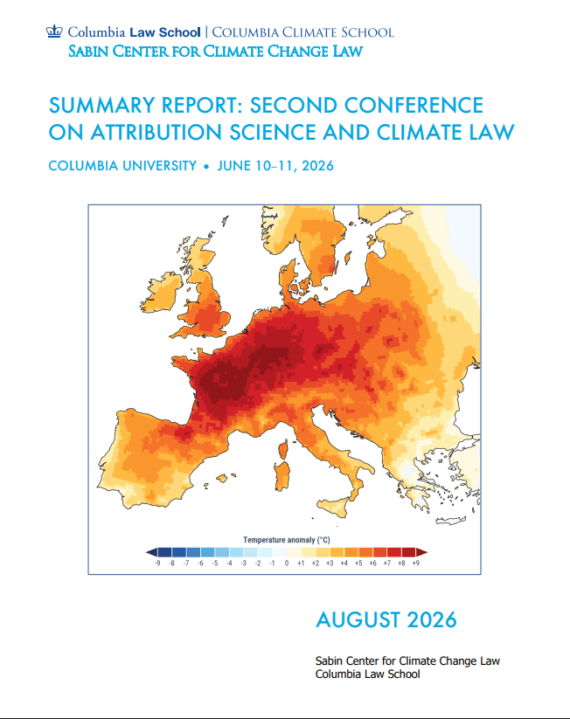
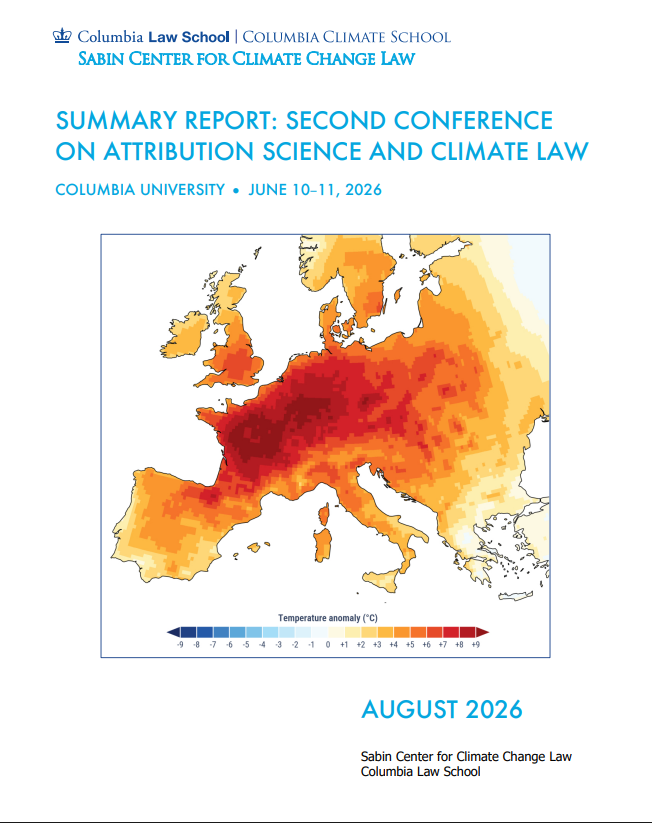
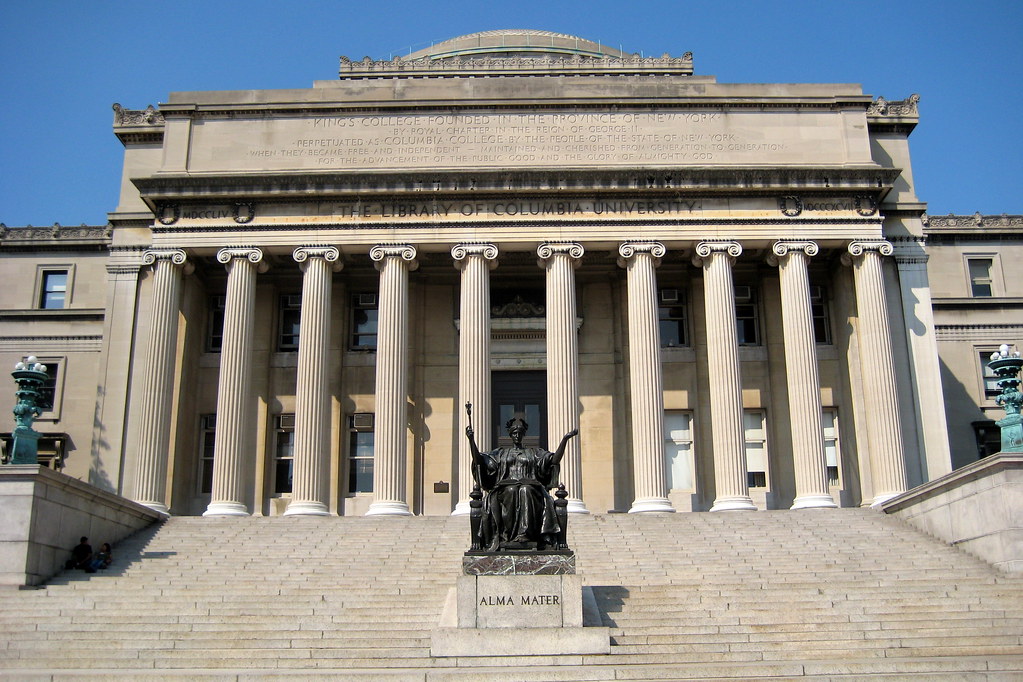
The Sabin Center for Climate Change Law and the Columbia Climate School have published the summary report for the Second Conference on Attribution Science and Climate Law, held at Columbia University on June 10–11, 2026. This event brought together physical scientists, legal scholars, public health researchers, economists, and policy experts to discuss […]
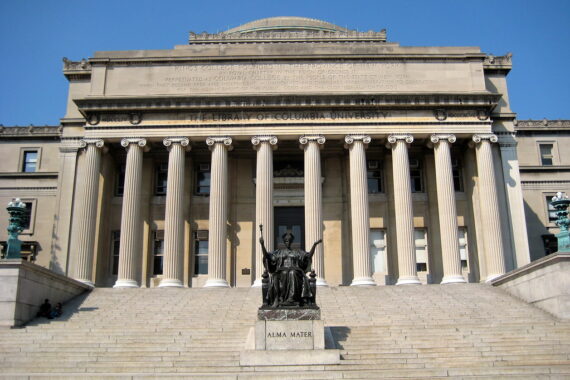
On Thursday July 16th, a group of Sabin Center staff and summer interns boarded the shuttle from Morningside Heights to travel to the Lamont-Doherty Earth Observatory (LDEO) for an incredible day of learning about the science behind the work we do to combat the climate crisis and advance climate justice. […]

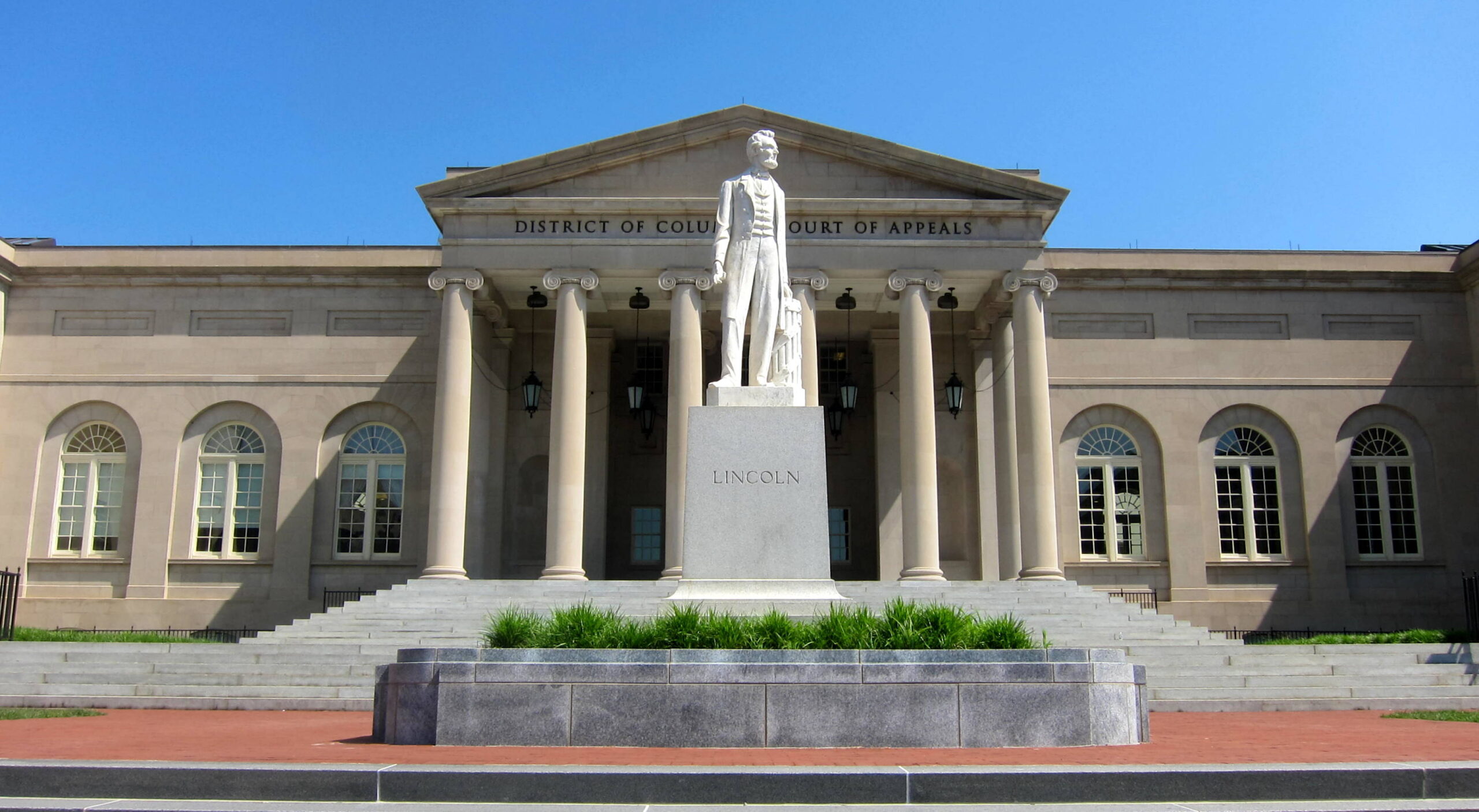
On August 4, 2026, the Court of Appeals for the D.C. Circuit handed down its long awaited en banc decision in an appeal of a preliminary injunction issued in Climate United Fund v. Citibank, the case challenging the Environmental Protection Agency’s (EPA) unlawful termination of $20 billion in federal funding […]
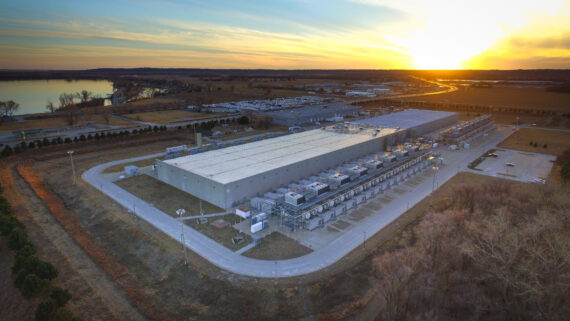
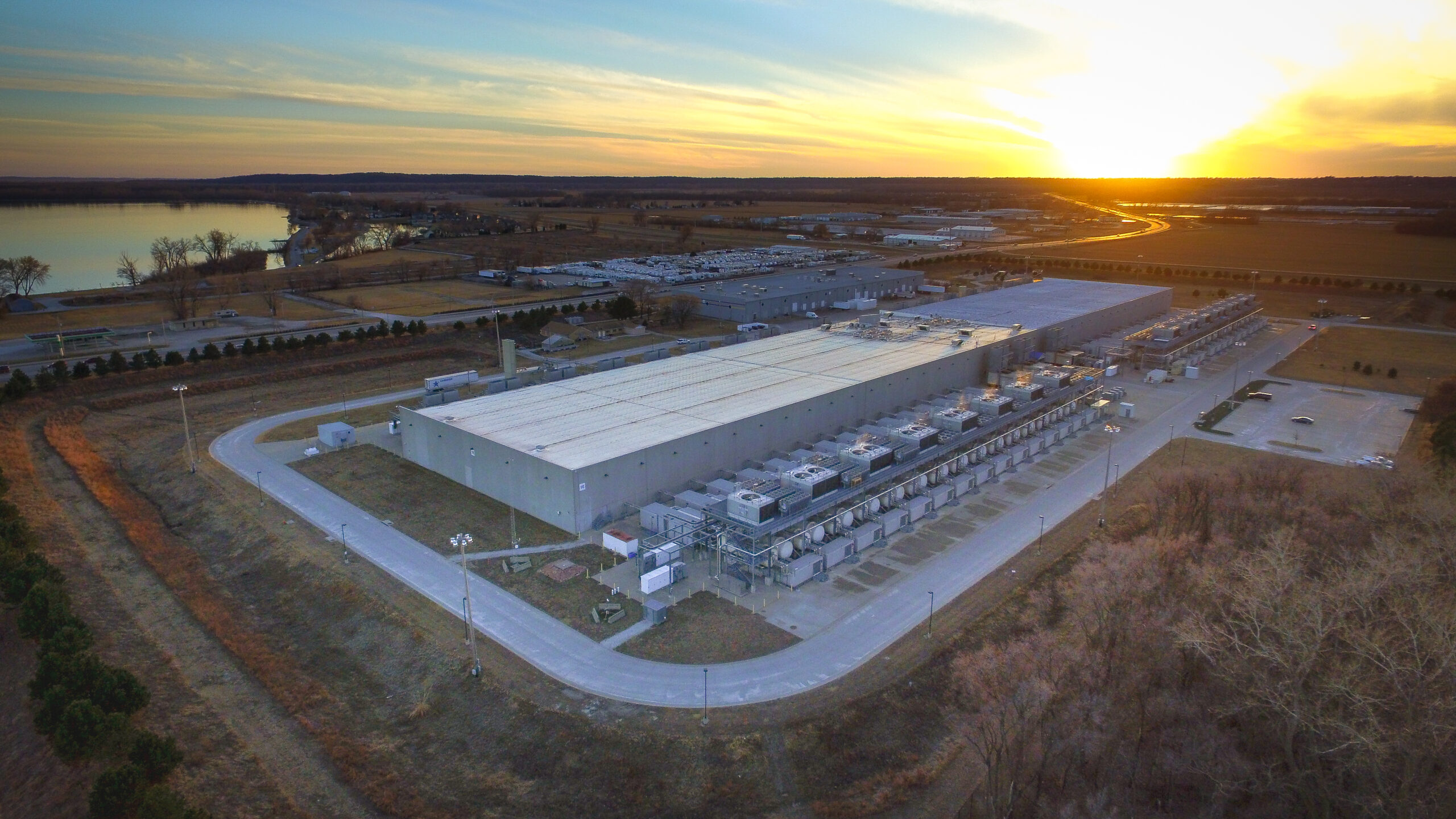
The market for artificial intelligence (AI) is rapidly growing, spurring the growth of data centers across the U.S. and around the world. That’s happening despite the major social and environmental concerns that data centers pose. What happens if those data centers are no longer used, either because they reach end […]




Under the second Trump administration, the Environmental Protection Agency (EPA) has radically altered its priorities. Whereas it previously championed climate spending legislation like the Inflation Reduction Act (IRA), its new leadership, headed by Administrator Lee Zeldin, promptly moved to roll back implementation of IRA programs. Indeed, as part of those […]