
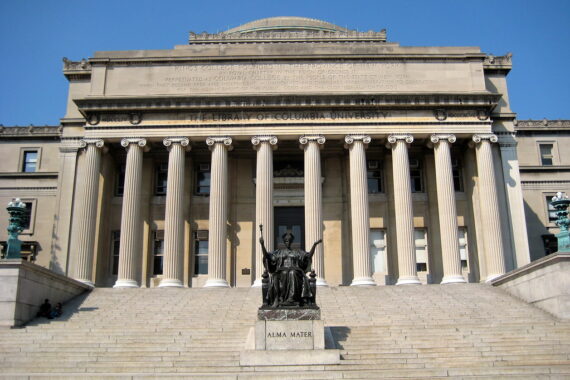
On Thursday July 16th, a group of Sabin Center staff and summer interns boarded the shuttle from Morningside Heights to travel to the Lamont-Doherty Earth Observatory (LDEO) for an incredible day of learning about the science behind the work we do to combat the climate crisis and advance climate justice. […]

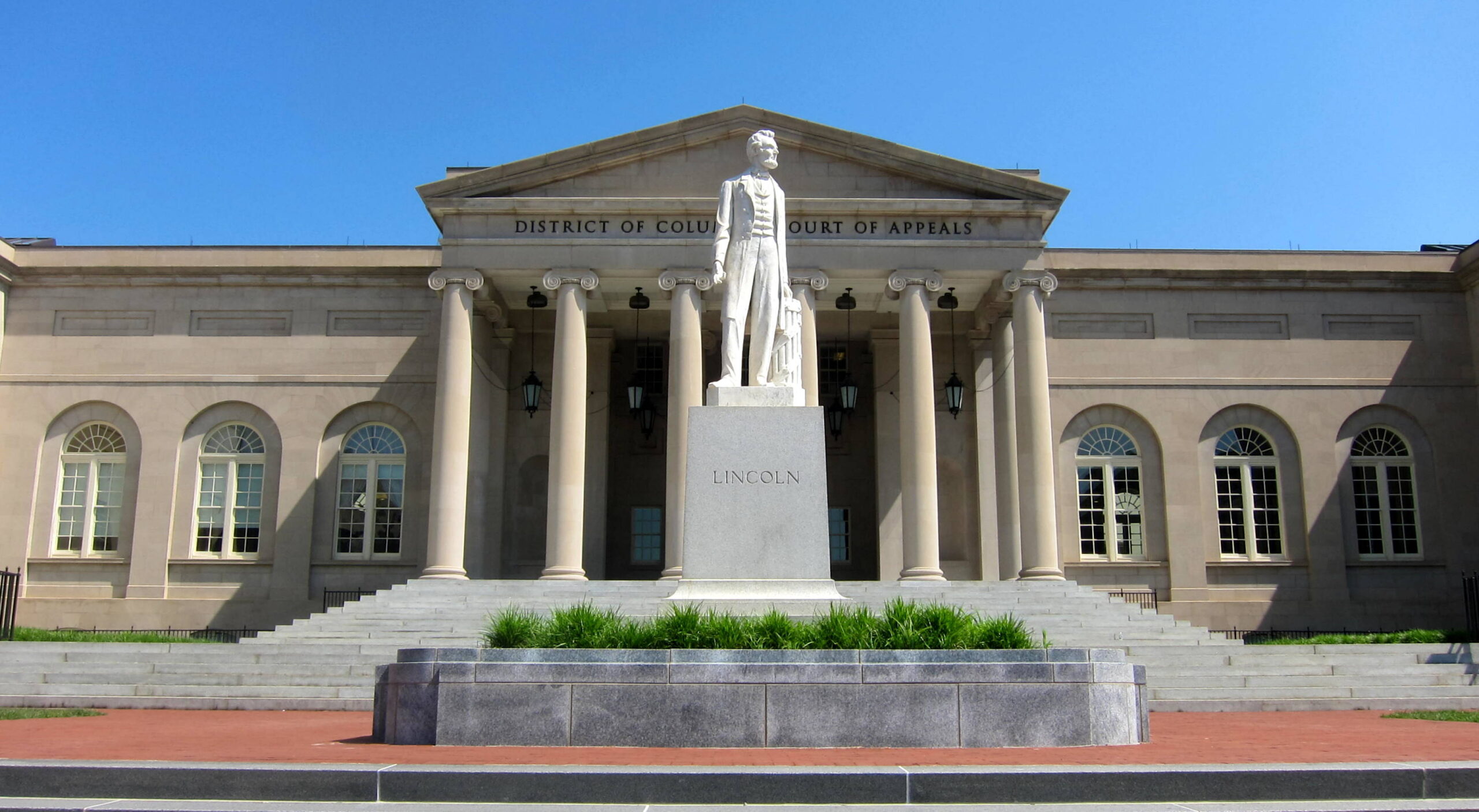
On August 4, 2026, the Court of Appeals for the D.C. Circuit handed down its long awaited en banc decision in an appeal of a preliminary injunction issued in Climate United Fund v. Citibank, the case challenging the Environmental Protection Agency’s (EPA) unlawful termination of $20 billion in federal funding […]
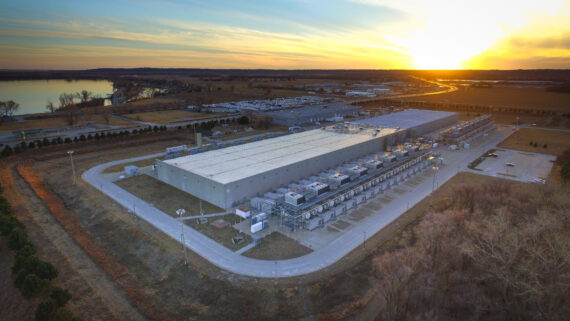
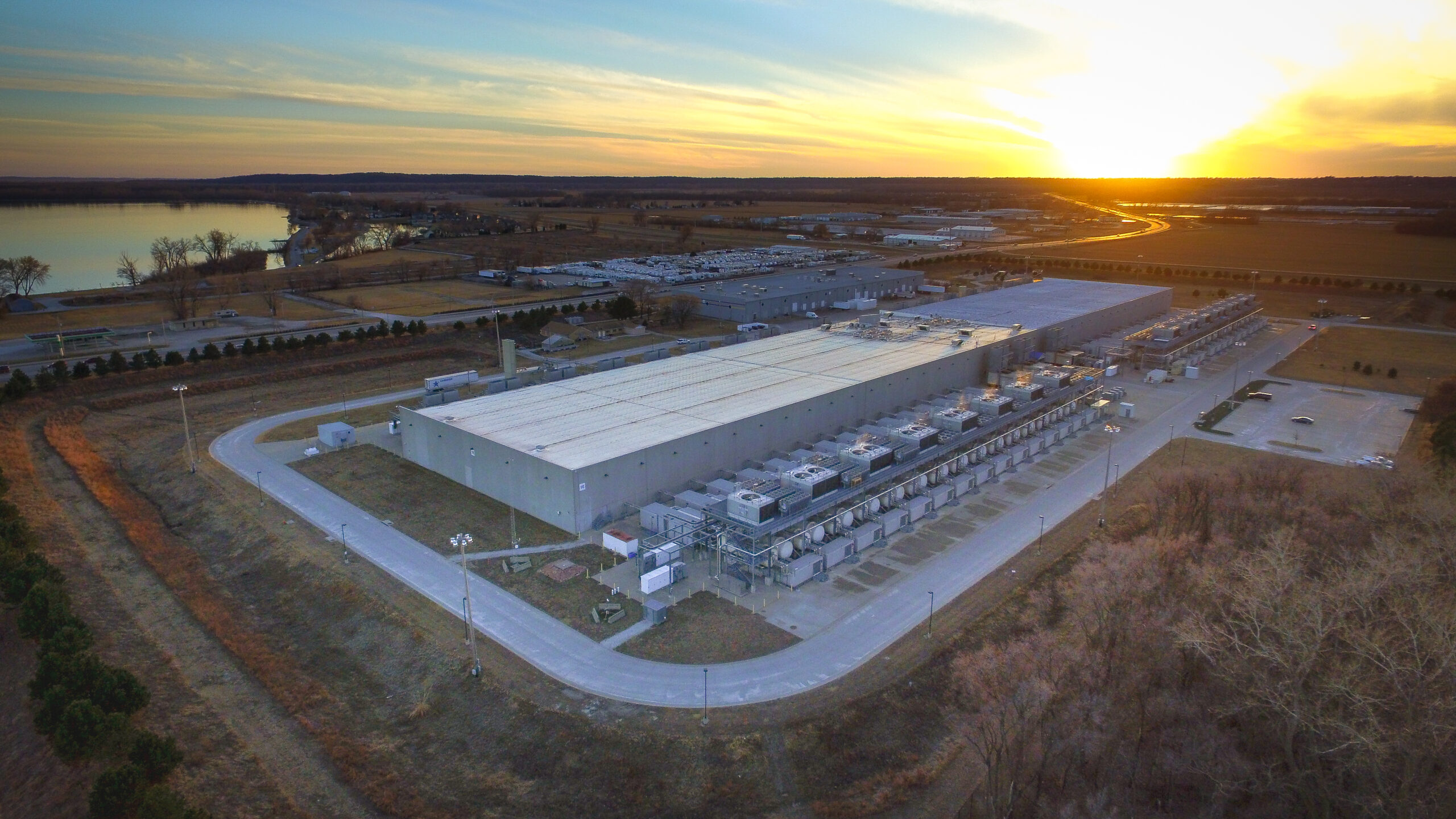
The market for artificial intelligence (AI) is rapidly growing, spurring the growth of data centers across the U.S. and around the world. That’s happening despite the major social and environmental concerns that data centers pose. What happens if those data centers are no longer used, either because they reach end […]

Under the second Trump administration, the Environmental Protection Agency (EPA) has radically altered its priorities. Whereas it previously championed climate spending legislation like the Inflation Reduction Act (IRA), its new leadership, headed by Administrator Lee Zeldin, promptly moved to roll back implementation of IRA programs. Indeed, as part of those […]
On July 3, the Office of Management and Budget released the Trump Administration’s Unified Agenda for 2026. The document, typically released once or twice a year, compiles all regulatory actions that an administration plans to take during the covered period. Consistent with President Trump’s aim of downsizing government, a large […]
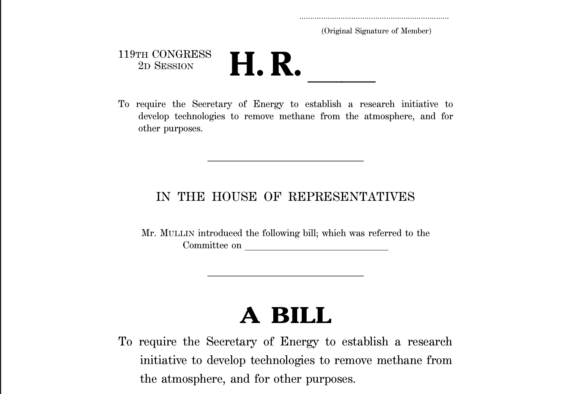
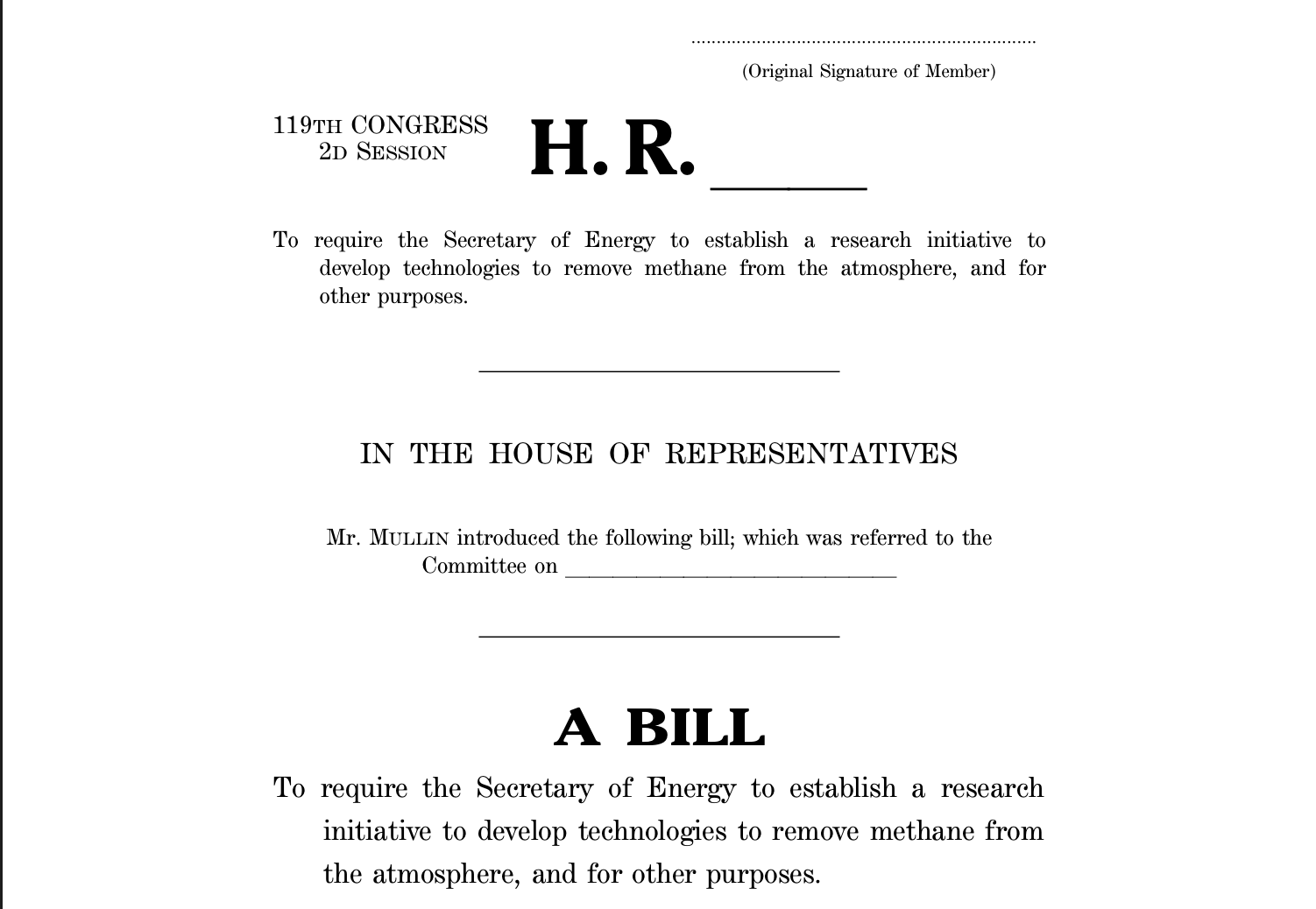
Last month, three Members of Congress introduced a bill to provide $125 million ($25 per year for five years) in funding for research into methane removal, a relatively novel set of proposed approaches aimed at mitigating climate change. This marks the first time such a bill has been introduced into […]
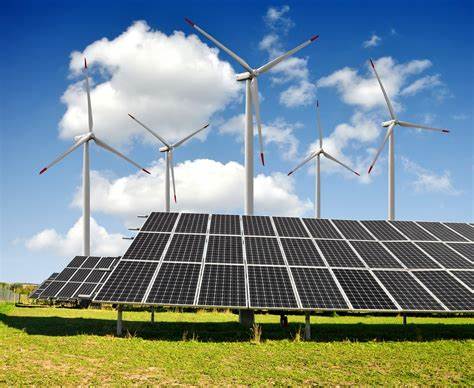
Michigan has recently taken steps to centralize and streamline the siting of renewable energy projects, in response to ongoing challenges from local opposition. In 2023, the Michigan state legislature enacted, and Governor Whitmer signed, Public Act 233 (PA 233) which establishes limits on the types of restrictions that local governments […]



Two major decisions in recent weeks are giving building electrification advocates good reason to be optimistic about the future of buildings that don’t burn gas. In the first—Association of Contracting Plumbers v. City of New York (“Plumbers”)—the Second Circuit upheld New York State and New York City’s laws restricting the […]