The Sabin Center’s Deputy Director Romany Webb and Climate Law Fellow Rebecca Lowy are attending the 31st Conference of the Parties to the United Nations Framework Convention on Climate Change in Antalya, Turkey in November 2026. They will be posting a series of blogs with reflections from the meeting. This is the first in the series.
The 31st Conference of the Parties to the United Nations Framework Convention on Climate Change (UNFCCC), or COP31, kicked off in Antalya, Turkey last week. Turkey and Australia (which are sharing leadership responsibilities) have framed COP31 as a “COP for Implementation,” with the goal of delivering concrete actions for the world on climate change by the end of negotiations.
The Sabin Center sent me to join Legal Response International (LRI) for the first week of negotiations, continuing a partnership that has now spanned more than a decade. LRI provides free legal resources to developing countries during climate change negotiations, with a particular focus on least developed countries (LDCs), small island developing states (SIDS), and other parties with limited access to legal support. Like previous Sabin Center fellows, I acted as an LRI Liaison Officer, attending negotiations, providing resources on the ground, and gathering legal queries from delegates that were then sent to LRI’s team of experts working remotely around the world. So far, LRI has fielded queries on topics ranging from human rights obligations in the context of climate displacement, to understanding the legal basis for the COP presidency, to voting processes during Intergovernmental Panel on Climate Change (IPCC) negotiations. We also provided delegates with a variety of explainers and advice drafted by LRI staff.
During the first week of COP31, I attended the negotiations for the Research and Systematic Observation (RSO) workstream, under the UNFCCC’s Subsidiary Body for Scientific and Technological Advice (SBSTA). The RSO convenes experts, UNFCCC Parties, and non-Party stakeholders to facilitate dialogue on the latest and best available science on climate change, and how to support its advancement. During COP31, the RSO group was tasked with considering the discussions and expert presentations from Earth Information Day 2026 and reflecting them in a draft SBSTA conclusion. The RSO also considered recent reports from the following groups:
- Global Climate Observing System;
- Intergovernmental Panel on Climate Change;
- Joint Working Group on Climate of the Committee on Earth Observation Satellites and the Coordination Group for Meteorological Satellites
- Intergovernmental Oceanographic Commission of the United Nations Educational, Scientific and Cultural Organization;
- World Climate Research Programme; and
- World Meteorological Organization.
There were several issues raised throughout the negotiations that particularly affect LDCs and SIDS. These included:
- Improved and increased network of observation systems: LDCs and SIDS are in regions most affected by climate change. The cryosphere, arid, and semi-arid landscapes are facing rapidly changing conditions from changing climates. Coastal states, low-lying islands, and remote mountain communities are experiencing multi-hazard risks like rising sea levels, increased glacial collapse and floods, and extreme storms. The recent glacial collapse in Nepal is just one example. Observation systems in these regions are needed to accurately and precisely measure climate change impacts and global warming, particularly against the backdrop of the anticipated 1.5°C overshoot.
- Increased financial support: the countries with the fewest resources, and that have contributed the least to climate change, face the greatest financial challenges to implement climate observation systems that protect livelihoods and ecosystems. Technology transfers and funding (via the Systematic Observations Financing Facility) are needed to avoid worsening their debt crises.
- Early warning systems (EWS): During the RSO negotiations, nearly all countries emphasized the advantages of EWS. EWS can save thousands of lives, and for every $1 spent on an EWS and prevention, over $10 can be saved in post-hazard disaster relief. LDCs and SIDS emphasized the need to prioritize the “last mile” first for EWS, which are closely tied to observation. This means putting communication systems in place that actually reach remote and under-served populations, such as women, children, and those with disabilities. It also means building out action plans to respond to hazards: warnings are ineffective if communities cannot actually respond to them to prevent mortality and infrastructure damage. These issues were also raised during a high level event attended by the UN Secretary General and several heads of states, including from SIDS and LDCs.
The Chair of the RSO group released a draft conclusion for the SBSTA on Saturday, November 14th to reflect the parties’ consensus on the state of global climate observations. The proposed conclusion included elements that all parties had agreed on, such as recognizing the information in the reports and research by the aforementioned scientific bodies and emphasizing the need to increase and improve observational systems to address research challenges and gaps. Financing, which had been a contentious subject during negotiations, was also incorporated into the conclusion. However, references to overshoot and carbon dioxide removal were excluded.
Week 2 of COP31 coincides with continued negotiations under the 8th Conference of the Parties serving as the meeting of the Parties to the Paris Agreement (CMA8). Many of the issues discussed during the first week will continue to be addressed under the corresponding CMA agenda items.
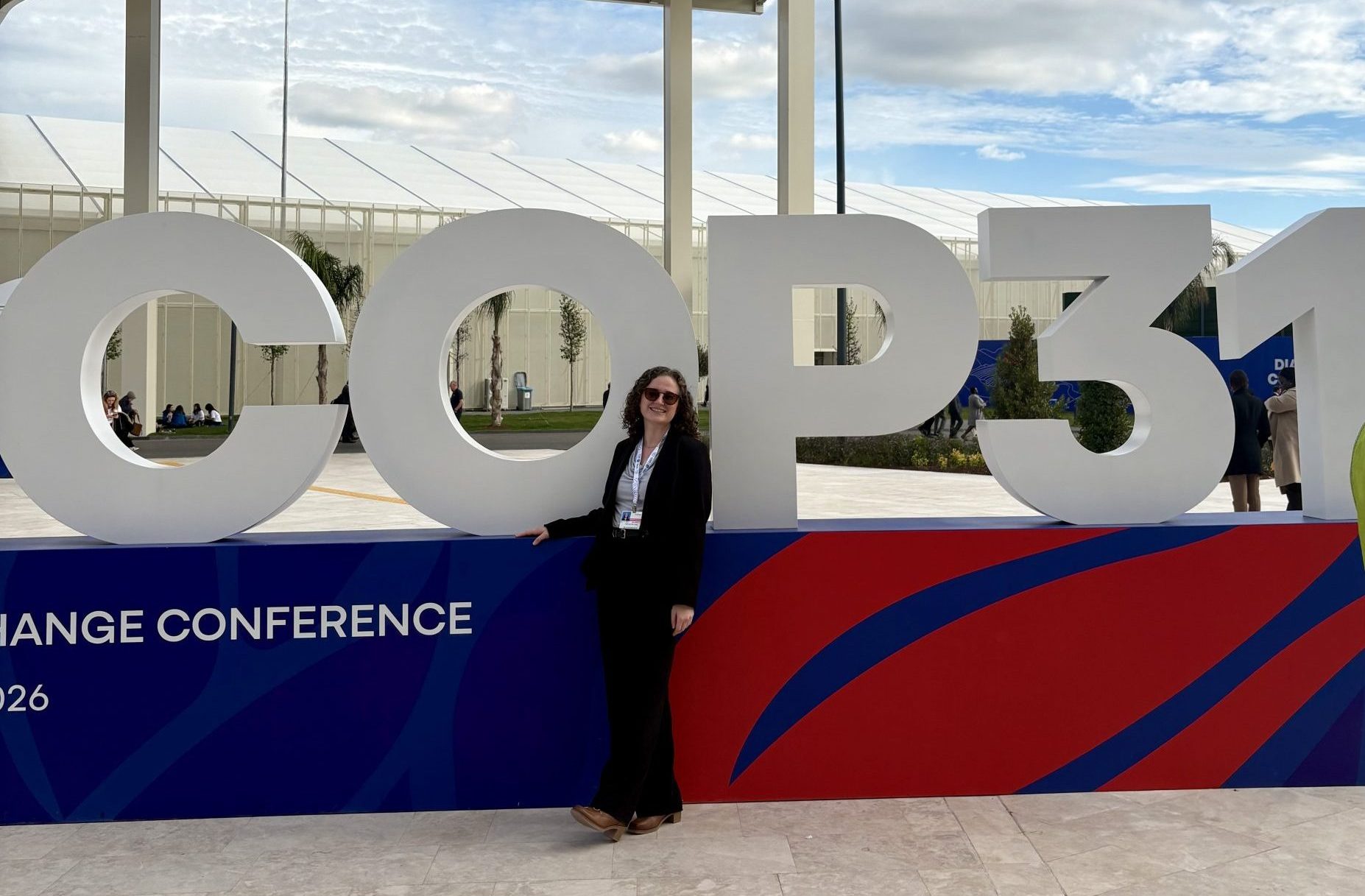

Rebecca Lowy is the Climate Fellow at the Sabin Center for Climate Change Law at Columbia Law School.